therapy-basics
Your First Couples Counselling Session: What to Expect
By Ravpreet Chaggar, Registered Psychotherapist (CRPO) · Published October 7, 2026
Therapy Overview
A first couples counselling session is mostly about understanding: how you met, what brought you in, and the pattern you keep getting stuck in. Nobody is put on trial. This guide walks through what happens, how to prepare, and what comes next. This article gives plain-language context so you can decide your next step with more clarity.
Educational information only. This article does not provide diagnosis, treatment advice for your specific situation, or emergency support. If you are in immediate danger or thinking about suicide, call 911 or 9-8-8 Suicide Crisis Helpline at 9-8-8.
In a first couples counselling session, the therapist gets to know both of you, asks what brought you in now, and starts mapping the pattern your arguments or distance keep following. It is a conversation, not a verdict: nobody is told who is right, and nobody is expected to fix anything in the first hour.
Most couples arrive nervous about exactly that. Knowing what the hour actually involves makes it much easier to walk in, or log on, and talk.
Before the Session: The Consultation and the Paperwork
Most practices start with a short call. At Nuummite Psychotherapy that is a free 15-minute consultation, where one or both of you can describe what is going on and ask how sessions work. It is also a chance to check that couples therapy is the right fit, rather than individual therapy or something else.
Before the first appointment you will usually receive an intake form and a consent form. The consent form explains confidentiality and how information shared by either partner is handled. Read it together if you can; it often answers questions you did not know you had.
What Happens in the First Hour
There is no fixed script, but a first session usually covers four things.
Why now. Something tipped you into booking: a fight that went too far, a discovery, a decision you cannot agree on, or simply the sense that you have become roommates. The therapist will want to hear it from both of you, because two people rarely describe the same problem the same way.
Your history as a couple. How you met, what drew you to each other, and what has been good. This is not small talk. It shows what you are trying to get back to, and it reminds both of you that the relationship is more than its current conflict.
The pattern. Most couples are not stuck on a topic so much as a cycle. One partner pushes for connection or answers; the other pulls back to stop things escalating; each move makes the other more anxious or more distant. Naming that cycle is often the first real relief, because it turns "you always" into "this is what happens to us".
What you each want. Not a list of the other person's changes, but what you would like to feel more of: closer, calmer, more trusted, less lonely.
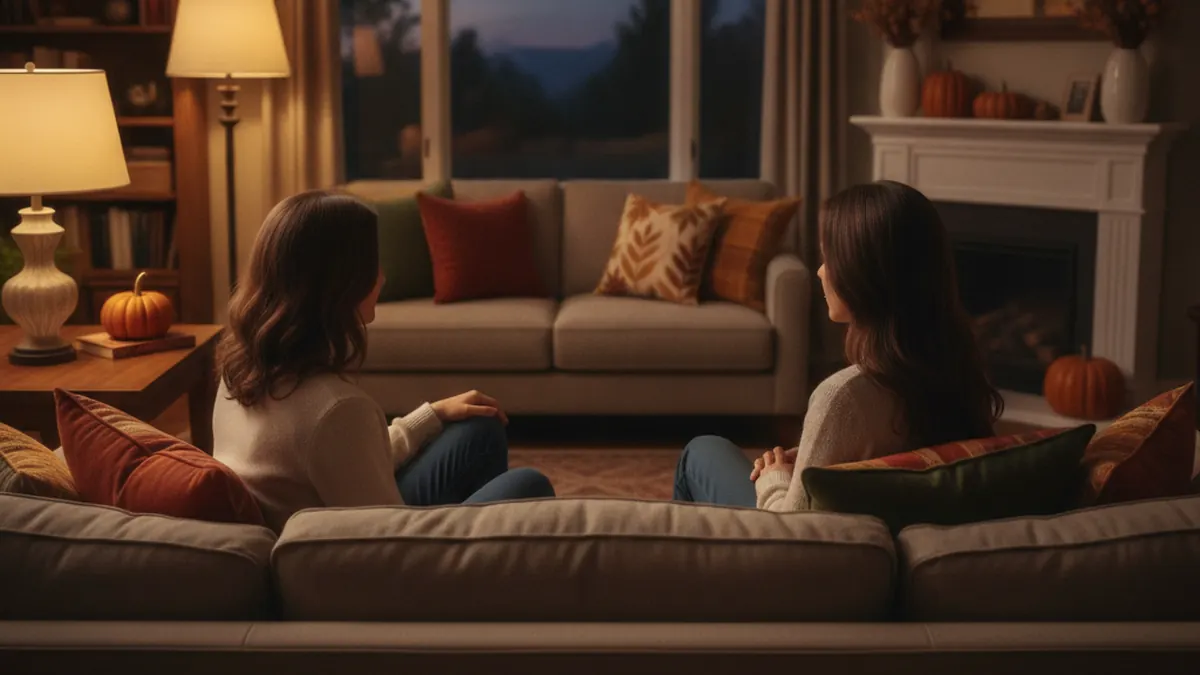
The Approach Behind the Conversation
My couples work draws on attachment-based and emotionally focused approaches. The International Centre for Excellence in Emotionally Focused Therapy describes the model this way:
"Emotionally Focused Couple Therapy (EFCT) helps couples to build strong, healthy
relationships by exploring and changing emotional dynamics to enhance mutual
understanding and closeness."
— ICEEFT, *What is EFT?*
In practice, that means slowing arguments down enough to hear what sits underneath them. Anger is often protecting hurt; withdrawal is often protecting against feeling like a failure. You can read more about this on the attachment-based therapy page.
What the Therapist Will Not Do
It helps to know the limits too.
one, say so; that is useful information, not rudeness.
some to work out whether they can, and some to separate with less damage. All of those are legitimate goals.
"I am not ready to talk about that yet."
- Take sides. The relationship is the client. If it starts to feel like two against
- Decide whether you should stay together. Some couples come in to repair things,
- Make you share what you are not ready to. You set the pace. It is fine to say
One important exception: if there is violence, threats or fear of your partner, joint sessions may not be safe or helpful. You can raise that privately with the therapist, who may suggest individual sessions first.
How to Prepare Without Over-Preparing
You do not need a speech. A few things do help:
score a point.
where you can both see the screen.
for the drive home.
- Think about one or two recent moments that went badly, and one that went well.
- Agree beforehand that neither of you will bring up anything in session purely to
- If you are meeting online, find a private room where you will not be overheard and
- Expect to feel a bit raw afterwards, and avoid scheduling a difficult conversation

After the First Session
By the end of the hour, you should have a clearer shared picture of what is happening and a rough sense of what the work will focus on. Many couples also leave with a small thing to notice during the week, such as the moment a conversation starts to tip into the usual cycle.
The pace after that depends on what you bring. Some couples come weekly at first and then space sessions out; others meet less often from the start. Sessions are available in person at the office on Dundas Street East in Mississauga, or by secure video from anywhere in Ontario, which suits couples juggling shifts, commutes across Peel or childcare.
If one partner is unsure about coming at all, our guide on how to ask your partner to try couples therapy may help.
If You Need Support Right Now
If you are having thoughts of suicide or feel unsafe, call or text 9-8-8, the Suicide Crisis Helpline, at any hour. If you are in immediate danger, call 9-1-1.
Working Together
I offer couples therapy in Mississauga and virtually across Ontario, and work with wider relationship issues in individual sessions too. A free 15-minute consultation is a low-pressure way to see whether it fits. Book a consultation whenever you are both ready.